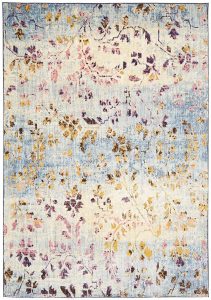
How to choose the perfect rug for your home How to Match Rugs with Your Flooring and Furniture: The Complete Rug Selection Guide Selecting the perfect area rug can instantly...
Read MoreHow to choose the perfect rug for your home
How to Match Rugs with Your Flooring and Furniture: The Complete Rug Selection Guide
Selecting the perfect area rug can instantly transform any room from ordinary to warm, finished and beautifully cohesive. When you get your rug selection right, it becomes the anchor that ties your flooring, furniture and home decor together in a way that very few other pieces can. Whether you are searching for a living room rug, a bedroom rug, a dining room rug, or simply trying to figure out which rug size works best for your space, this guide covers everything you need to know.
From rug colour matching and rug textures to placement tips, material choices and the latest rug trends 2026, consider this your go to resource for finding the perfect rug. And if you are ready to buy rugs online in Australia, we will help you shop with confidence.
Why Rug Selection Is the Foundation of a Well Styled Room
A quality area rug does far more than cover bare floor. It defines zones within a room, brings warmth and softness underfoot, absorbs sound, and introduces colour and texture that pulls your furniture together. Think of your rug as the anchor of the room. When it’s right, everything else falls into place around it.
Great rug selection comes down to three things: getting the rug size right, choosing a rug style that suits your interior, and understanding how rug colour and rug textures interact with your flooring and furniture. Master these and finding your perfect rug becomes a lot more straightforward.
Step 1: Match Your Area Rug to Your Flooring Type
Always begin your rug selection with the flooring, as it sets the foundation for everything else. The relationship between your rug colour and flooring can make or break the look of a room, so it pays to think about this first.
Timber or hardwood floors: Pair with earthy neutrals, textured weaves or patterned area rugs that add contrast and visual depth. A geometric rug or bohemian rug works especially well here. Light timber benefits from a darker or richer rug, while dark timber or stained floors feel more balanced with a lighter neutral rug or warm toned wool rug.
Hybrid or laminate flooring: These modern surfaces work well with both bold geometric rug styles and understated neutral designs.
Existing carpet: Choose a contrasting rug texture or a subtle pattern to define seating areas without blending in.
Vinyl, tile or polished concrete: Introduce warmth with natural fibre rugs or a plush area rug in a rich jewel tone. Warm terracotta, sage green and soft neutrals all help soften the industrial feel of polished concrete particularly well.
Consider undertones when doing your rug colour matching. Warm timber pairs beautifully with beige, terracotta or gold toned rugs, while cool grey floors suit softer blues, stone and grey tones.
Step 2: Coordinate or Contrast with Your Furniture
Once you have your flooring in mind, the next step is to decide whether your area rug should blend with or stand out from your furniture. The good news is that you do not need to match colours exactly. Instead, choose a rug that shares at least one colour with your furniture or existing soft furnishings, then let complementary tones do the rest.
• Monochrome or minimalist furniture: Add energy and personality with a colourful rug featuring bold patterns or vibrant accents.
• Statement or patterned sofas and chairs: Opt for solid colours or subtle rug textures to ground the space and let the furniture be the hero.
• Natural material furniture such as leather, timber or linen: Organic fibres like a wool rug or jute rug create a seamless, cohesive aesthetic that feels considered and intentional.
Layering rugs is one of the standout rug trends 2026 worth trying. Place a smaller patterned rug over a larger neutral area rug or jute rug to add depth, texture and personality to any space. It is a simple technique that gives a room a curated, designer feel without a major investment.
One rule worth remembering when it comes to rug styles: one pattern should lead and the other should support. If your rug is the statement piece with a bold geometric or bohemian design, keep surrounding furniture and soft furnishings more neutral. If your sofa or curtains are already doing the visual heavy lifting, let a quieter neutral rug do the supporting work underneath.
The Rug Size Guide: Getting the Proportions Right
If there is one thing interior designers agree on, it is this: the most common rug mistake is going too small. A rug that floats like an island in the middle of a room creates a disconnected, out of scale feel that undermines the whole space. When in doubt, always size up. A larger area rug makes rooms feel more spacious and pulled together, not less.
Living Room Rug Size
Your living room rug should anchor the entire seating area. The standard rule of rug placement is to have at least the front legs of your sofa and chairs sitting on the rug. For a more cohesive, designer result, choose a size large enough so that all furniture legs sit fully on it. Popular sizes for a living room rug in Australia are 200x300cm or 240x330cm. If you can accommodate, some styles can be sourced up to 300x400cm. Always leave around 15 to 45 cm of exposed floor between the rug edge and the wall. This framing effect is a hallmark of professional interior design and makes the whole space feel intentional.
Dining Room Rug Size
A dining room rug needs to be large enough so that chairs remain on the rug even when they are pulled away from the table. A good rule of thumb is to add approximately 60 cm to each side of your table dimensions. This avoids the frustrating experience of chair legs catching on the edge of the rug every time someone sits down or stands up.
Bedroom Rug Size and Placement
For bedroom rug placement, position your area rug under the lower two thirds of the bed so it extends well beyond both sides. This creates a soft landing for your feet each morning and makes the room feel complete. Another popular option is a pair of matching runner rugs placed on either side of the bed for a clean, boutique hotel feel.
The Masking Tape Trick
Before you buy rugs online or head into a store, use masking tape on your floor to mark out the rug dimensions you are considering. It sounds simple, but this trick gives you a surprisingly accurate sense of how the size works with your furniture arrangement. It can save you from a costly mistake and make your entire rug selection process much less stressful.
Understanding Rug Textures: Feel, Function and Visual Depth
Rug textures influence both how a space looks and how livable it actually feels. The texture you choose should reflect both your practical needs and your design goals.
• High pile rugs including shag and plush styles are luxuriously soft underfoot and visually cosy. They are ideal for bedrooms and lounge areas but not recommended for dining rooms where chair legs can catch in the pile.
• Flat weave rugs are slim, durable and easy to clean, making them the most practical choice for dining rooms, hallways and high traffic areas.
• A wool rug is the gold standard in quality rugs: naturally resilient, soft, stain-resistant and temperature regulating. It is well worth the investment for living rooms and bedrooms where comfort matters most.
• A jute rug and other natural fibre rugs bring an organic, textured quality that suits relaxed, coastal and Scandi interiors.
• Viscose and silk effect rugs are luminous and elegant, best reserved for formal rooms or bedrooms with lower foot traffic.
Mixing textures adds depth and warmth throughout your home. Try layering rugs by placing a smaller patterned wool rug over a larger jute rug for a curated, designer feel that is very much in keeping with rug trends.
Practical Tips for Confident Rug Selection
• Always measure your space before shopping and use a rug size guide to narrow down your options.
• Use painter’s tape on the floor to visualise rug size before you buy.
• Bring fabric swatches, paint chips and flooring samples when shopping instore, or save photos of your room on your phone when shopping online.
• Read material descriptions carefully. A wool rug will perform very differently to a synthetic or viscose option, so match the material to how you actually live.
• Always use a quality rug pad. A rug pad prevents slipping, adds underfoot cushioning, extends the life of your rug and protects your flooring. It is a small addition that makes a significant difference.
• If choosing between two sizes, go larger. It is a near universal design rule that almost always works in your favour.
Find Your Perfect Rug at Unitexint.com
Matching rugs to your flooring and furniture does not have to be complicated. Start with the right rug size, match your area rug to your flooring type, coordinate your rug colour with your furniture, and let texture and style do the rest. Whether you are drawn to bold geometric rugs, cosy wool rugs, natural jute rugs or understated neutral floor rugs, the perfect rug is well within reach.
Add a rug pad, consider layering rugs for added depth, and do not be afraid to let your rug be the hero of the room. Ready to explore Australia’s best range of quality rugs, modern rugs and home decor rugs? Browse our full rug collection at Unitexint.com and find the perfect area rug for every room in your home, delivered Australia wide.
Recent Blog
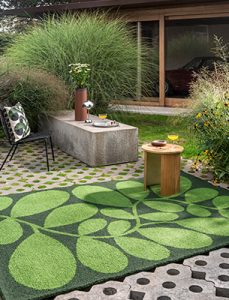
How to Identify High-Quality Rugs in Sydney
How to Identify High-Quality Rugs in Sydney Sydney’s interior design style blends relaxed costal elegance with natural texture, creating bright and airy spaces that feels both relaxed and refined. In...
Read MoreModern Rugs: The Perfect Addition to Australian Homes
Modern Rugs: The Perfect Addition to Australian Homes Australia’s interior design industry continues to embrace modern aesthetic, characterised by clean lines, natural materials, and subtle texture. In line with this...
Read More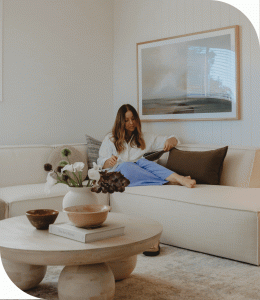
Q&A with Bek Halliday
Q&A with Bek Halliday We recently caught up with the gorgeous Bek Halliday who is known for her refined, minimalist approach to interior styling, with a focus on natural textures,...
Read More